
Are you looking for the best GI surgeon in Thrissur? Dr. Arun S. Nair is a highly qualified and experienced Gastrointestinal Surgeon in Thrissur, with over 16+ years of expertise in managing complex digestive and gastrointestinal conditions. He has gained extensive knowledge and hands-on exposure to a wide range of advanced gastrointestinal surgeries through his training and years of clinical practice.Dr. Arun S. Nair has received advanced training in gastrointestinal surgery at Tsukuba University Hospital, Japan, and advanced HPB surgery at IRCAD University, Taiwan, which has strengthened his expertise in minimally invasive and complex GI procedures. He is highly skilled in treating challenging gastrointestinal surgical problems, including patients with previous surgeries and post-operative complications.
Recognised for his surgical excellence, Dr. Nair has delivered multiple paper and video presentations at national and international conferences. He has received Best Video Awards at ASGKCON and AMASICON on multiple occasions, highlighting his expertise in advanced laparoscopic and thoraco-laparoscopic procedures. His work has also been published in several national and international medical journals, reflecting his contribution to the field of surgical gastroenterology. With his vast experience, international training, and patient-first approach, Dr. Arun S. Nair is widely regarded as one of the best GI surgeons in Thrissur, Kerala. He is also an active member of reputed medical associations in India, ensuring that his patients receive treatment based on the latest global standards of care.
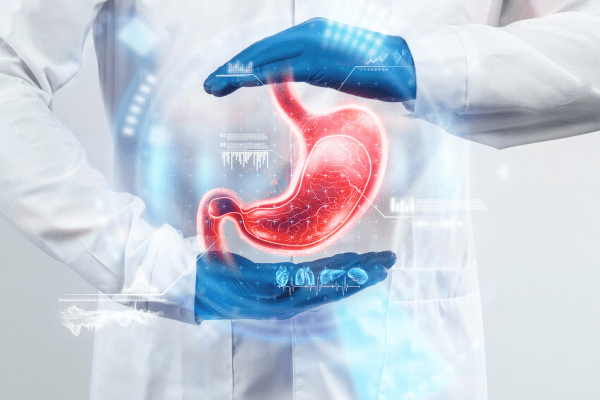
GI surgery refers to surgical procedures used to treat diseases of the digestive system. This includes the esophagus, stomach, small intestine, large intestine, rectum, liver, pancreas, gallbladder, and bile ducts.GI surgery may be required for conditions such as cancers, hernias, gallstones, acid reflux, intestinal blockages, inflammatory bowel disease, and liver or pancreatic disorders. These surgeries can be performed using open, laparoscopic, or robotic techniques, depending on the condition and patient needs.
Dr. Arun S. Nair, a leading Gastroenterologist in Thrissur, specialises in minimally invasive GI surgeries that reduce pain, hospital stay, and recovery time.
Esophageal Surgery:
Gastric Surgery:
Intestinal Surgery:
Colorectal Surgery:
Hepatobiliary Surgery:
Pancreatic Surgery:
GI surgery offers numerous benefits to patients, depending on the specific procedure performed. Some common advantages include:
The cost of GI surgery varies depending on criteria such as operation type, hospital facilities, and individual medical needs. We invite you to schedule a consultation with Dr. Arun Nair to get exact cost facts.

Dr. Arun S. Nair has over 16 years of experience in GI surgery and GI oncology. He has successfully treated thousands of patients with complex digestive disorders and cancers.

Dr. Arun S Nair has expertise in performing laparoscopic surgery for multiple condition such as hernia, gallstone, cancer surgery, HPB surgery. He performed more than thousands of laparoscopic surgery.

His successful execution of laparoscopic double bypass in locally advanced pancreatic cancer demonstrates his ability to handle intricate and challenging cases with precision.

Dr. Arun Nair prioritizes patient well-being and safety, ensuring that each procedure is tailored to the individual's needs and circumstances.

Dr. Arun Nair's practice is equipped with the latest technology, allowing for the highest standard of laparoscopic surgical interventions.

Dr. Arun S Nair avaialbe at Exclir Clinic, Thrissur, Daya General Hospital and St. Gregorios Medical Mission Multi-Speciality Hospital. So patient can easily choose hospital as their conveience.
To book an appointment with Dr. Arun Nair for a GI surgery consultation, patients can contact the provided appointment phone numbers or visit the official website. The friendly and efficient staff will assist in scheduling the appointment at a convenient time.
The recovery period for gastrointestinal (GI) surgery can vary greatly based on various factors, including the type of surgery done and the overall health of the particular patient.
You may be unable to eat or drink immediately following surgery. When your body is ready, your doctor will most likely advise you to consume only clear fluids for 1 to 3 days. This implies that you will be unable to consume solid foods. Before consuming solid meals, your doctor may advise you to follow a full fluid diet.
A gastroenterologist focuses on diagnosing and treating non-surgical gastrointestinal conditions, while a gastro surgeon specializes in performing surgical procedures to address complex gastrointestinal disorders. Depending on the nature of your condition, you may be referred to either a gastroenterologist or a gastro surgeon for appropriate care. It’s important to consult with your primary care physician or a medical specialist to determine the most suitable course of action for your specific medical needs.
GI surgery can treat a range of conditions, including colorectal cancer, gallbladder diseases, hernias, gastroesophageal reflux disease (GERD), inflammatory bowel disease (IBD), and more.
GI surgery can be performed using open surgery (larger incisions) or minimally invasive techniques like laparoscopic or robotic surgery (smaller incisions). The choice of technique depends on the specific procedure and patient’s condition.
Recovery times vary based on the procedure and individual factors. Minimally invasive techniques often result in faster recovery compared to traditional open surgery.
EXCELLENTTrustindex verifies that the original source of the review is Google. Peaceful treatment. Very professional.Posted onTrustindex verifies that the original source of the review is Google. Very good appearancePosted onTrustindex verifies that the original source of the review is Google. I recently underwent surgery for appendix and gallbladder stones, and am extremely grateful for the care i received. Dr Arun S Nair and the medical staff were highly skilled, compassionate and supportive throughout my journey. He explained the disease condition and the procedure clearly and clarified all my concerns. The surgery went smoothly and he gave utmost importance to pain management and patient comfort. My post operative period was problem free. I truly appreciate the dedication and professionalism of Dr Arun S Nair and his entire team. I would highly recommend them to anyone in need of quality medical care. Thank you 🙏🙏🙏Posted onTrustindex verifies that the original source of the review is Google. Excellent experience. Doctor arun sir is such a nice person. He listens everything calmly and after that only he provides medicinesPosted onTrustindex verifies that the original source of the review is Google. Very good👍 experiencePosted onTrustindex verifies that the original source of the review is Google. Today I had a consultation with Dr. Arun. He is very polite and a good listener. He patiently asked many detailed questions regarding my health issues and took the time to understand my concerns properly. He provided clear explanations and suggested a very good medical opinion. I felt comfortable and well cared for during the consultation. Thank you Doctor for your kind and professional approach.Posted onTrustindex verifies that the original source of the review is Google. Best gastro surgeon in ThrissurPosted onTrustindex verifies that the original source of the review is Google. ഒരുപാട് നന്ദി ഉണ്ട് അത്രക്കും നല്ല സേവനം ആണ് എനിക്ക് കിട്ടിയത് അരുൺ സർ എന്റെ അസുഖത്തെ കുറിച്ച് മനസിലാക്കി തന്നു സുഹൃത്ത്ക്കളെ പോലെ ആണ് എന്നോട് സർ പെരുമാറിയത് അദേഹത്തിനോട് എനിക്ക് വളരെ അധികം നന്ദിയുണ്ട് അതുപോലെ തനെ ജിഷ ചേച്ചിയോടും. എനിക്ക് എന്തെങ്കിലും ബുദ്ധിമുട്ട് ഉണ്ടെങ്കിൽ എപ്പോ വിളിച്ചാലും ചേച്ചി ഫോൺ എടുത്ത് കാര്യങ്ങൾ പറഞ്ഞ് തരും. അതുപോലെ മേനേജർ സാറും നല്ല ഹെൽപ്പിംഗ് ആയിരുന്നു എല്ലാം കൊണ്ടും ഞാൻ വളരെ അതികം തൃപ്തനാണ്
1ST FLOOR ZABS FORT building, Civil Lane Road, Poothole P.O, Thrissur, Kerala 680004
Church Post Office Road near Parumala, Thiruvalla, Kerala 689626
+91-9539988886
drarungastrosurgeon@gmail.com
© 2026 Dr Arun Gastro Surgeon All rights reserved