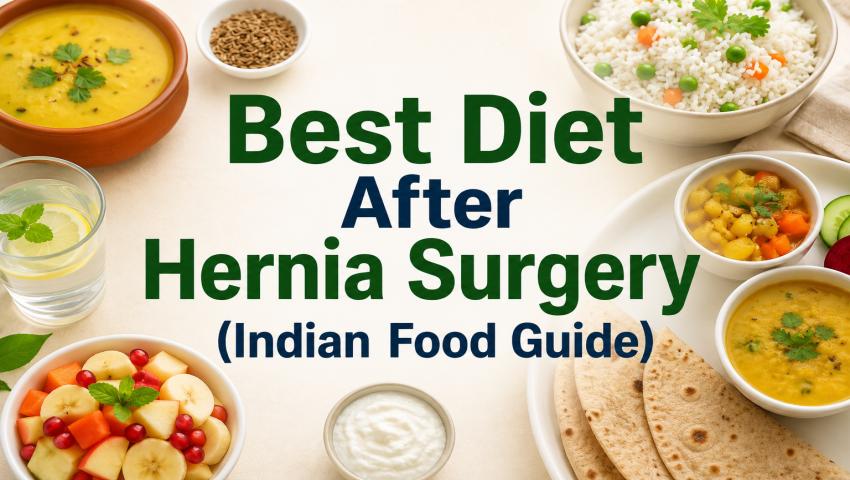
What most patients don’t realize after undergoing hernia surgery is that recovery is not only about stitches healing—it is deeply connected to what you eat every single day.
A wrong food choice can increase bloating, constipation, or pressure on the abdomen, while the right diet after hernia surgery can actually speed up healing and make recovery smooth and comfortable. Following the best diet after surgery can reduce digestive discomfort and support faster healing.
According to Dr. Arun S. Nair, a highly experienced gastroenterologist in Thrissur with 16+ years of clinical expertise, food plays a critical role in post-operative diet planning after hernia repair. Many patients recover faster simply by following a structured Indian diet after hernia surgery designed for digestive comfort and tissue healing.
But here’s the real question most patients ask after surgery— “What to eat after hernia surgery so they can avoid pain, gas, and constipation?”
Let’s understand it step by step.
After surgery, it is common for the digestive system to feel slow and sensitive. Anaesthesia, pain medications, and reduced movement can temporarily affect bowel activity.
Patients often experience:
Digestion may temporarily slow down after surgery, leading to gas and fullness.
Pain medicines and reduced movement can cause constipation in the first few days.
It is normal to feel less hungry until the digestive system settles.
Abdominal tightness around the surgical area.
This is a normal part of laparoscopic hernia recovery, but improper food choices can worsen discomfort. That’s why a soft diet after hernia surgery is recommended initially.
Your body needs extra nutrition for healing tissues, improving immunity, and restoring digestive balance.
A proper postoperative diet helps in:
Faster wound healing
Reducing constipation and straining
Preventing gas and bloating
Supporting digestive health after surgery
Providing energy for recovery
Foods rich in protein, fibre, and hydration support wound healing foods requirements and reduce recovery complications.
In the first 1–2 days, the digestive system needs rest.
Recommended:
Warm water : Helps maintain hydration and supports gentle bowel activity without stressing the stomach.
Coconut water : Restores fluids and electrolytes, keeping the body fresh and preventing weakness.
Clear vegetable soups : Light and strained soups provide mild nutrition and are easy on digestion.
Rice kanji : A soft, liquid preparation that soothes the stomach and reduces discomfort.
Light dal water : Thin moong dal water gives minimal protein support without heaviness.
Avoid:
Solid foods : Hard foods can strain digestion and should be avoided initially.
Fried items : These slow digestion and may increase gas and bloating.
Spicy or oily meals : Can irritate the stomach and delay smooth recovery.
This phase focuses on gentle hydration and easing the gut into activity.
Eat small, frequent meals
Avoid spicy, oily, and gas-forming foods
Drink enough water daily
Chew food slowly and properly
Avoid straining during bowel movements
To support healing, include foods that promote strength and tissue repair:
Protein-Rich Foods: Protein helps in tissue repair, wound healing, and regaining strength after hernia surgery.
These are the following foods support faster healing and recovery:
Eggs
Soft chicken or fish
Dal and lentils
Paneer and curd
High-Fiber Foods: Fiber is important after surgery as it helps prevent constipation, improves bowel movement, and supports smooth digestion.
The following foods help maintain healthy digestion after hernia surgery:
Oats
Papaya, apple, pear
Cooked vegetables
Whole grains (gradually)
Healthy Fats: Healthy fats are important for energy, inflammation reduction, and overall healing after surgery.
These are the following foods that support recovery and tissue repair:
Ghee (moderate)
Nuts and seeds
Olive oil
These help in building a strong, high fiber foods and recovery-focused diet plan.
Certain foods can slow recovery or increase discomfort:
Fried and junk food: Can slow digestion and delay recovery after surgery.
Spicy curries: May cause acidity and stomach irritation.
Carbonated drinks: Increase gas and abdominal pressure.
Excess tea/coffee: Can cause acidity and dehydration.
Gas-forming foods like cabbage, rajma, chole: Increase bloating and discomfort.
Processed and packaged snacks: Hard to digest and may cause constipation.
Avoiding these helps prevent constipation and reduces abdominal pressure during healing.
Constipation is one of the most common post-surgery issues.
To prevent it:
Drink plenty of water daily
Include fibre-rich foods gradually
Avoid straining during bowel movements
Walk lightly as advised by your doctor
Eat small, frequent meals
A good constipation prevention diet is essential for smooth recovery and avoiding pressure on surgical stitches.
Understanding what to eat after hernia surgery can make recovery smoother, improve digestion, and help patients return to normal activities comfortably. Following the right diet after hernia surgery is just as important as the surgery itself. A balanced Indian diet with soft, nourishing, and fibre-rich foods supports healing, prevents digestive issues, and ensures a smooth recovery journey.
Under the guidance of Dr. Arun S. Nair, patients undergoing hernia surgery in Thrissur are advised to follow a structured nutrition plan that supports digestive health after surgery and long-term wellness. Patients with questions about their recovery diet can book an appointmentwith Dr. Arun S. Nair for personalised dietary guidance based on their individual recovery needs.
Eating right not only supports recovery but also helps prevent unnecessary digestive strain, allowing you to gradually return to normal life with greater comfort and confidence.
Eat soft foods like khichdi, curd rice, oats, soups, and boiled vegetables. These are easy to digest and help recovery. Dr. Arun S. Nair advises a balanced post operative diet for faster healing.
Avoid fried, spicy, processed, and gas-forming foods like cabbage, rajma, and carbonated drinks. Dr. Arun S. Nair recommends avoiding these to prevent bloating and strain.