

Dr. Arun S. Nair

Gallbladder Polyps: Do They Need Surgery?

Gallbladder polyps are small growths that develop on the inner lining of the gallbladder. Many people in India are diagnosed with gallbladder polyps during routine ultrasound scans done for abdominal pain or health check-ups. This often creates anxiety, as patients are unsure whether gallbladder polyps are dangerous or if surgery is required. The good news is that not all gallbladder polyps need surgery. Some are harmless, while others may require close monitoring or surgical removal. The decision depends on the size, type of polyp, symptoms, and the patient’s overall health.

If you are searching for expert guidance from an experienced Gallbladder surgeon in Thrissur, understanding gallbladder polyps is the first step toward safe and effective treatment.

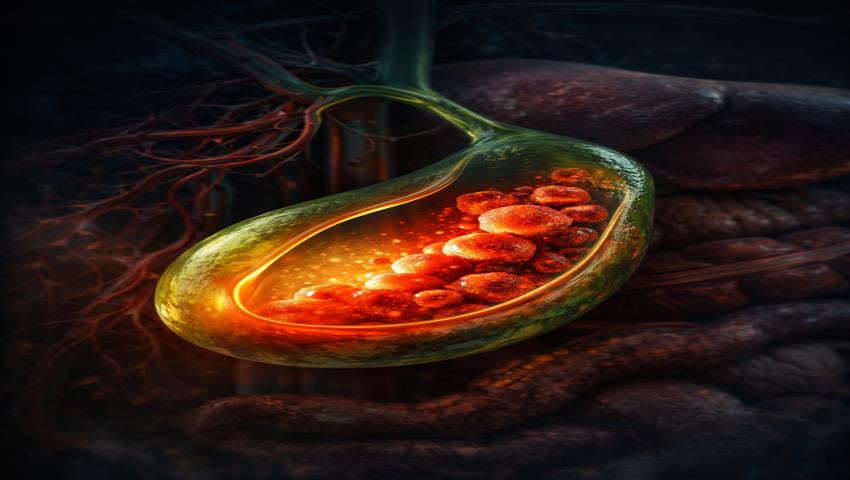
Gallbladder polyps are abnormal tissue growths that project from the gallbladder wall into its cavity. Most gallbladder polyps are benign (non-cancerous) and do not cause any symptoms.

In many cases, patients do not even know they have gallbladder polyps until an ultrasound scan detects them. However, a small percentage of polyps can turn cancerous, especially when they grow larger in size.

This is why expert evaluation by a skilled Gallbladder Surgeon in Thrissur is important for proper diagnosis and management.

There are different types of gallbladder polyps, and each behaves differently.

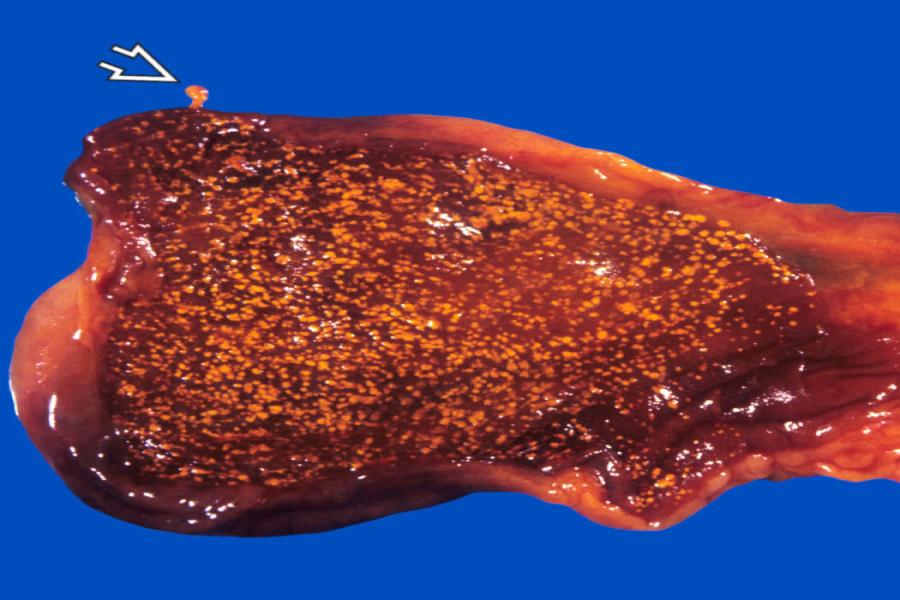
Cholesterol Polyps

Cholesterol polyps are the most common type of gallbladder polyps. They are usually small in size and non-cancerous. These polyps form due to cholesterol deposits in the gallbladder and rarely need surgery unless symptoms occur
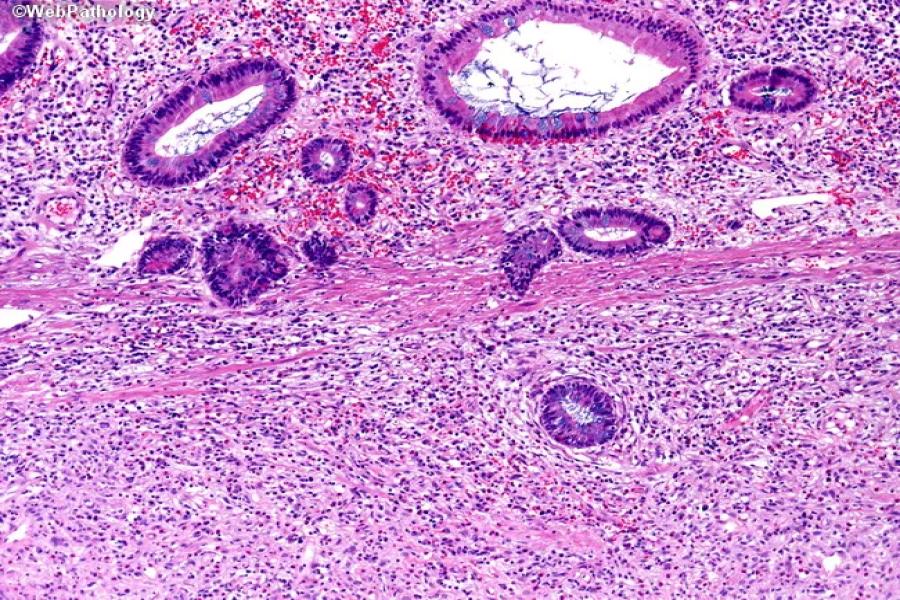
Inflammatory Polyps

Inflammatory polyps develop due to long-term irritation or infection of the gallbladder. They are benign and mostly harmless. These polyps usually do not turn cancerous and are often managed with regular scans and medical follow-up
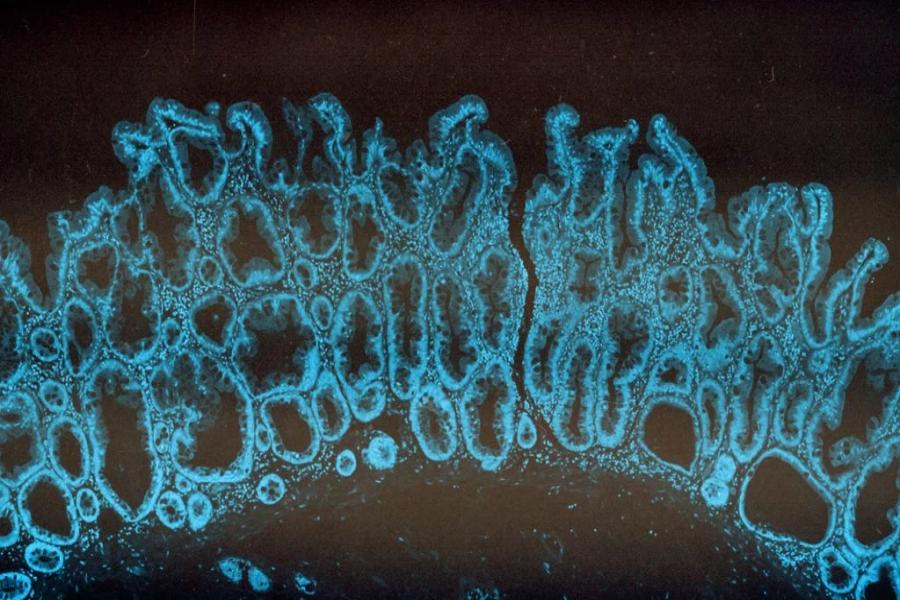
Adenomatous Polyps

Adenomatous polyps are less common but more serious. They have a higher risk of becoming cancerous, especially if they grow larger than 10 mm. Doctors often recommend surgery to prevent future complications.

Identifying the type of polyp helps doctors decide whether Gallbladder Polyps Treatment in Thrissur should involve observation or surgery.

This is one of the most common concerns patients have after diagnosis. The reassuring answer: most gallbladder polyps are not cancerous.

  • Cholesterol polyps (the most common type) are almost never cancerous.
  • Inflammatory polyps are also benign and rarely turn cancerous.
  • Adenomatous polyps carry the highest cancer risk, especially when they are larger than 10mm.

The chance of a gallbladder polyp being cancerous increases with polyp size above 10mm, rapid growth on follow-up scans, patient age above 50, and presence of associated gallstones. If none of these risk factors apply, the polyp is very likely benign and can simply be monitored with periodic ultrasounds.

Most gallbladder polyps do not cause symptoms. However, some patients may experience:

  • Pain in the upper right abdomen
  • Nausea or vomiting
  • Indigestion or bloating
  • Fatty food intolerance

When symptoms are present, further evaluation by a specialist Gastroenterologist in Thrissur is essential.

Not all gallbladder polyps need surgical removal. Surgery is usually advised in the following situations:

  • Polyp Size More Than 10 mm: Gallbladder polyps that are larger than 10 mm have a higher chance of becoming cancerous. Doctors usually advise surgery in such cases to remove the gallbladder and avoid serious health risks.
  • Rapid Increase in Size: If a gallbladder polyp increases in size over a short period of time during follow-up ultrasound scans, it may indicate abnormal growth. Surgical removal is advised to prevent possible complications.
  • Presence of Symptoms: Patients who experience symptoms such as upper abdominal pain, nausea, vomiting, bloating, or indigestion may require surgery. Symptomatic polyps can affect daily life and should not be ignored.
  • Associated Gallstones: When gallbladder polyps are present along with gallstones, the risk of inflammation and other complications increases. Surgery is often recommended to treat both conditions at the same time.
  • Age Above 50 Years: People above the age of 50 have a slightly higher risk of gallbladder cancer when polyps are present. Doctors usually prefer surgical treatment in older patients, even if the polyp size is borderline. In these situations, consulting an experienced Laparoscopic Surgeon in Thrissur helps ensure safe diagnosis, proper decision-making, and effective treatment with faster recovery.

Gallbladder polyps are usually detected using:

  • Ultrasound scan
  • Endoscopic ultrasound (in selected cases)
  • CT scan or MRI (if cancer is suspected)

Regular follow-up scans are advised for small polyps. A personalised plan is created based on scan findings and patient risk factors.

1] Observation and Follow-Up: Small polyps less than 5 mm usually do not require treatment. Regular ultrasound monitoring is enough.

2] Laparoscopic Gallbladder Surgery: If surgery is required, laparoscopic cholecystectomy is the standard treatment. It involves removing the gallbladder using small incisions.

This minimally invasive method offers:

  • Less pain
  • Faster recovery
  • Short hospital stay
  • Minimal scarring

Patients looking for advanced Gallbladder Polyps Treatment in Thrissur benefit greatly from laparoscopic surgery.

3] Robotic Gallbladder Surgery: In selected complex cases, robotic surgery offers even higher precision. It allows better visualization and control during surgery. Under the care of a skilled Robotic Surgeon in Thrissur, robotic gallbladder surgery ensures excellent outcomes with faster healing. 

Dr. Arun S. Nair – Minimal Access Gastro Surgeon, GI Cancer, HPB, Bariatric Surgeon, is one of the most trusted names in gastrointestinal surgery in Kerala. With over 16 years of experience, he has successfully performed 10,000+ surgeries and treated 15,000+ happy patients, maintaining a 99% success ratio.

His Expertise Includes:

  • Advanced laparoscopic surgery
  • Robotic surgery
  • GI cancer surgery
  • HPB and gallbladder surgery

Dr. Arun S. Nair has received international training from Japan, China, Taiwan, and Vietnam. He is a highly respected Gallbladder Surgeon in Thrissur, known for ethical practice and patient-centric care.

As an experienced Gastroenterologist in Thrissur, he ensures accurate diagnosis, honest advice, and customised treatment plans.

Many patients search for the cost of gallbladder polyp surgery before deciding on treatment. The exact cost depends on several factors:

  • Type of surgery: Laparoscopic cholecystectomy vs. robotic gallbladder surgery
  • Hospital stay duration: Typically 1-2 days for laparoscopic surgery
  • Pre-surgery tests: Ultrasound, blood work, and any additional imaging like CT or MRI if needed
  • Insurance coverage: Most health insurance plans in Kerala cover gallbladder polyp surgery when medically indicated

Laparoscopic gallbladder polyp surgery is generally more affordable and has a faster recovery compared to open surgery. For an accurate cost estimate based on your specific case, it’s best to consult directly — book an appointment with Dr. Arun S. Nair for a personalised evaluation and transparent cost breakdown.

You should consult a specialist if:

  • You are diagnosed with gallbladder polyps
  • You have abdominal pain or digestive issues
  • Your polyp size is increasing
  • You have gallstones with polyps

Early consultation helps prevent serious complications and avoids unnecessary surgery.

Gallbladder polyps are common and often harmless. However, some polyps can become serious if left untreated. The key lies in early diagnosis, regular monitoring, and timely surgery when needed.

If you are looking for safe and effective Gallbladder Polyps Treatment in Thrissur, consult Dr. Arun S. Nair, a highly experienced Gastroenterologist in Thrissur.

Gallbladder polyps larger than 10mm carry a higher risk of being cancerous and usually require surgical removal. Polyps between 5 and 9 mm need regular follow-up ultrasounds, while those under 5mm are generally harmless and only need routine monitoring.

Most gallbladder polyps are not cancerous. Cholesterol and inflammatory polyps are almost always benign, while adenomatous polyps carry a higher cancer risk, especially when larger than 10mm. A proper evaluation with a gallbladder surgeon helps determine your specific risk.

गॉलब्लैडर पॉलिप का इलाज उसके साइज़ और टाइप पर निर्भर करता है। 5mm से छोटे पॉलिप को सिर्फ नियमित अल्ट्रासाउंड से मॉनिटर किया जाता है, जबकि 10mm से बड़े पॉलिप के लिए लैप्रोस्कोपिक सर्जरी की सलाह दी जाती है।

Agar gallbladder polyp diagnose hua hai, to sabse pehle panic mat karo — zyadatar polyps harmless hote hain. Ek specialist se consult karo jo polyp ka size, type aur symptoms dekhkar decide karega ki sirf follow-up scan chahiye ya surgery.

Small cholesterol or inflammatory polyps (usually under 5mm) often remain stable or don’t require intervention at all — they’re monitored rather than treated. However, polyps don’t typically “disappear” on their own; regular ultrasound follow-up is the safest way to track any changes.