Digestive health plays a vital role in overall well-being. When the gut is not functioning properly, it can lead to discomfort, nutritional issues, and even chronic illness. One such condition that affects the digestive system is Small Intestinal Bacterial Overgrowth (SIBO). Many people suffer from this condition without realising it, as its symptoms often resemble other digestive disorders. In this blog, we will explore what SIBO is, its symptoms, causes, diagnosis, and treatment options. If you are looking for expert care, Dr. Arun S. Nair – Minimal Access Gastro Surgeon, GI Cancer, HPB, Bariatric Surgeon, is a trustedbest GI surgeons in Thrissur with over 16 years of experience. He provides advanced treatment for gastrointestinal disorders, including complex conditions like SIBO.
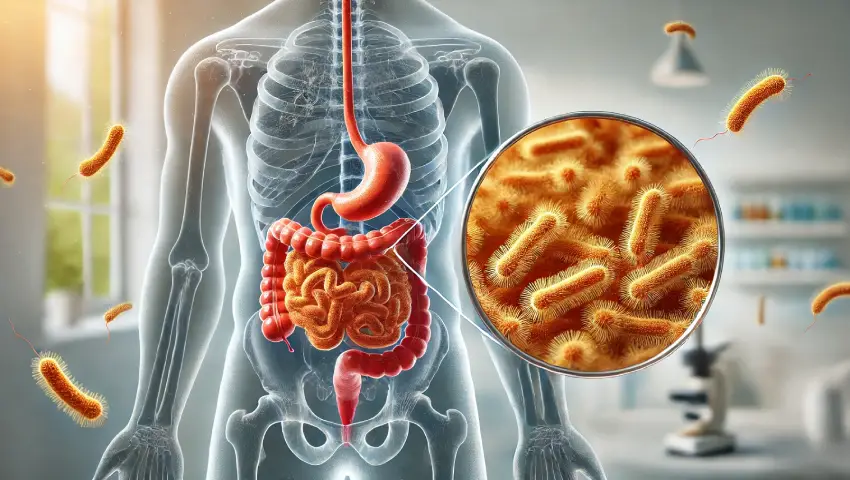
The small intestine is the part of the digestive tract where most of the nutrients are absorbed. Normally, this area has fewer bacteria compared to the large intestine. But in some cases, bacteria multiply abnormally in the small intestine. This condition is called Small Intestinal Bacterial Overgrowth (SIBO). The excess bacteria interfere with normal digestion. They consume nutrients meant for the body and release gases that cause bloating and discomfort. If left untreated, SIBO can affect the absorption of vitamins and minerals, leading to deficiencies and weight loss.
SIBO symptoms can vary from person to person. The most common signs include:
Bloating and abdominal swelling
Excessive gas and burping
Stomach pain or discomfort
Chronic diarrhoea or constipation
Indigestion after meals
Unexplained weight loss
Fatigue and weakness due to poor nutrient absorption
Since these symptoms are similar to conditions like Irritable Bowel Syndrome (IBS) or lactose intolerance, SIBO is often overlooked. A specialist evaluation is necessary for accurate diagnosis.
Several factors can lead to bacterial overgrowth in the small intestine. These include:
Intestinal Motility Disorders: Slow movement of food in the gut allows bacteria to multiply.
Structural Abnormalities: Narrowing or obstruction in the small intestine can trap bacteria.
Previous Surgeries: Surgeries involving the abdomen may affect intestinal movement.
Chronic Diseases: Conditions like diabetes, Crohn’s disease, and celiac disease increase the risk.
Low Stomach Acid: Acid helps control bacteria. Reduced acid production can allow growth.
Medications: Long-term use of antibiotics, proton pump inhibitors, or immunosuppressants may contribute.
Diagnosing SIBO requires a detailed medical history and specialised tests. Dr. Arun S. Nair, recognised as one of the best GI surgeons in Thrissur, uses advanced diagnostic methods to identify the condition. The most common test is the breath test, which measures hydrogen or methane produced when bacteria ferment sugars in the intestine. Other tests include stool analysis, imaging studies, and blood tests to check for nutrient deficiencies.
Treating SIBO involves addressing the underlying cause, reducing bacterial overgrowth, and improving digestive health. Common treatment options include:
Antibiotic Therapy: Antibiotics help reduce bacterial overgrowth. They are prescribed for a short duration to restore balance in the gut.
Dietary Changes: Diet plays a crucial role in managing SIBO. A low FODMAP diet or a specific carbohydrate diet is often recommended. These diets reduce fermentable foods that feed bacteria.
Probiotics: Certain probiotics can help restore healthy gut bacteria and improve digestion.
Nutritional Support: Vitamin and mineral supplements may be prescribed to correct deficiencies caused by poor absorption.
Surgical Treatment: If SIBO is linked to structural problems in the intestine, surgical correction may be required. As a skilled surgical gastro surgeon in Thrissur, Dr. Arun Nair offers advanced laparoscopic and robotic procedures for complex gastrointestinal conditions.
Apart from medical treatment, lifestyle adjustments can reduce the chances of recurrence. Some useful tips are:
Eat smaller meals at regular intervals
Avoid excessive alcohol consumption
Stay hydrated with sufficient water intake
Include fibre-rich foods unless advised otherwise
Exercise regularly to improve digestion
Manage stress, as it can worsen gut health
When dealing with complex digestive issues, expert care makes all the difference. Dr. Arun S. Nair is highly experienced in diagnosing and treating gastrointestinal conditions with precision. His expertise in advanced laparoscopic and robotic surgery ensures safe and effective treatment when surgical intervention is necessary. With training from world-renowned institutions in Japan, China, Vietnam, and India, Dr. Arun combines global knowledge with compassionate care. His clinic in Thrissur is equipped with modern facilities, ensuring accurate diagnosis and personalised treatment. Patients trust him not only for his surgical expertise but also for his patient-friendly approach. He explains every step clearly and involves patients in decision-making. This makes him a preferred choice for anyone seeking the best GI surgeon in Thrissur.
Small Intestinal Bacterial Overgrowth (SIBO) is a common yet often underdiagnosed condition that can impact daily life. Recognising the symptoms early and seeking professional medical help can prevent long-term complications. If you are experiencing persistent digestive discomfort, consult an expert. Dr. Arun S. Nair, Surgical Gastro Surgeon in Thrissur, provides advanced and effective care for SIBO and other gastrointestinal disorders. His vast experience, modern techniques, and patient-first approach ensure the best possible outcomes.