Dr. Arun S. Nair, a leading gastroenterologist in Thrissur, makes understanding constipation easier for his patients. He covers causes, symptoms, and complications in a clear way, touching on factors like diet, hydration, and the importance of listening to your body. Highlighting the significance of a fiber-rich diet, hydration, and exercise, Dr. Arun S. Nair addresses constipation during pregnancy with practical tips. As an experienced gastroenterologist in Thrissur, his recommendations focus on a healthy routine, including a fiber-rich diet and safe exercises.
Let’s See More About Constipation Complications & Treatment
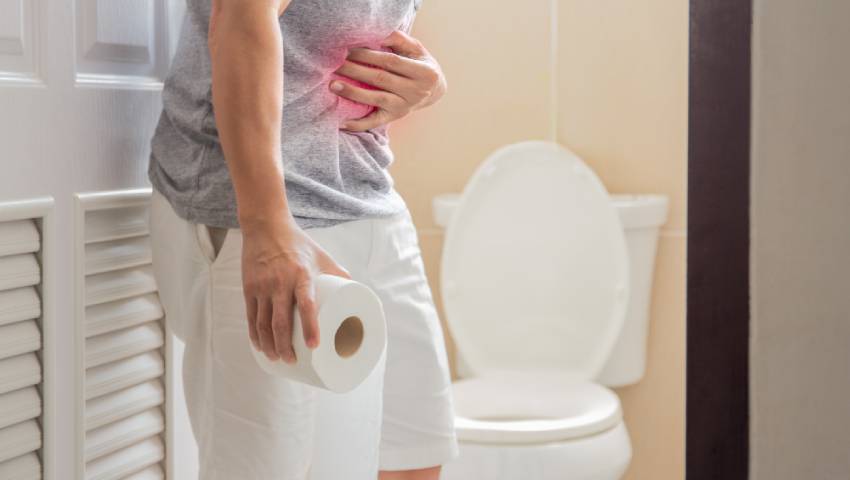
Have you experienced the unease of irregular bowel patterns or found it challenging to eliminate waste? That’s what we term as constipation – a prevalent digestive issue faced by numerous individuals. It arises when the stool advances leisurely through the digestive tract, metamorphosing into a rigid, difficult-to-excrete substance. This tardy progression can lead to manifestations like exertion during restroom trips, a perception of inadequate elimination, abdominal uneasiness, and the undesirable feeling of bloating.
Now, what leads to this pesky problem? A variety of things, really. A diet that’s not packing enough fiber, not drinking sufficient fluids, not getting enough physical activity, some medications, brushing off the urge to go when nature calls, and even certain medical conditions can all contribute to constipation.
Indicators of constipation encompass
Having fewer than three bowel movements per week.
Experiencing hard, dry, or lumpy stools.
Struggling or feeling pain during bowel movements.
Sensation of incomplete stool elimination.
Perception of a blocked rectum.
Resorting to using a finger for stool passage.
Low-Fiber Diet: Constipation may arise from avoiding fiber-rich veggies, fruits, and whole grains. Fiber is a digestive superhero because it gives the stool a greater density & allows easy passage.
Not Enough Water: Not enough water makes it hard to pass the stool. For a happy digestive tract, stay hydrated.
Sitting Too Much, Moving Too Little:Regular exercise improves digestion and is beneficial to general health. Continue to move to keep your tummy feeling full.
Medication Slowing Things Down: Certain medications, such as antacids, painkillers, and some antidepressants, can cause constipation by slowing down the digestive process.
Ignoring the Call of Nature: Ignoring the urge to go could . Take your time in the bathroom and give attention to your body.
Harmony in Hormones: As Dr. Arun S. Nair explains, pregnancy introduces hormonal allies like progesterone, offering a helping hand by easing the digestive tract muscles.
Uterine Expansion: As your uterus generously accommodates the growing baby, it gently presses on the intestines.
Fueling with Fiber: Load up on the goodness of fruits, veggies, whole grains, and legumes. Fiber not only adds substance to your stool but also ensures things move along smoothly.
Hydration Cheers: Keep sipping water throughout the day for well-hydrated bliss. It’s like a gentle nudge for your stool, making it softer and more pass-friendly.
Move and Groove: Embrace safe and gentle exercises like walking or prenatal yoga. Not only does it benefit you, but it also encourages a happy and regular bowel routine.
Laxatives: These medications, in various forms, aid in softening stool and prompting bowel movements. Always use them under guidance to avoid complications.
Fiber Supplements: When a low-fiber diet contributes to constipation, These come in various forms and assist in adding bulk to stool for smoother movement
Prescription Medications: For targeted relief, providers may prescribe medications that specifically address digestive issues. These can stimulate bowel contractions or soften stool.
Biofeedback Therapy: This therapeutic technique focuses on training pelvic floor muscles to enhance bowel function. It’s commonly employed in cases of chronic constipation linked to pelvic floor muscle dysfunction.
Hemorrhoids: The veins around the anus can grow and become bothersome if straining to pass stool puts pressure on them. Itching, bleeding, and pain can come from this.
Anal fissures: Sharp stool fragments can rip the sensitive skin surrounding the anus, creating uncomfortable fissures. These may bleed and exacerbate the discomfort of bowel motions.
Fecal impaction: Stool can become extremely dry and hard, becoming lodged in the rectum and making passage difficult or impossible. Those with underlying medical issues and elderly folks may be especially vulnerable to this threat.
Dr. Arun Nair’s expertise shines in guiding patients through constipation challenges, explaining its causes, symptoms, and possible complications. He focuses on a patient-centered approach, highlighting the importance of a fiber-rich diet, staying hydrated, and regular exercise to manage constipation. Whether addressing hormonal changes in pregnancy or suggesting treatments like laxatives and biofeedback therapy, Dr. Arun S. Nair provides a clear and personalized understanding for those seeking relief. If your symptoms persist, book an appointmentwith Dr. Arun Nair for a personalized treatment plan.
Mild cases usually respond to increased fiber, hydration, and exercise. For serious or chronic constipation, doctors may prescribe laxatives, fiber supplements, or biofeedback therapy to retrain the pelvic floor muscles.
The most common complications are hemorrhoids and anal fissures, caused by repeated straining. In severe, untreated cases, fecal impaction can occur, where hardened stool becomes stuck in the rectum.
Drinking warm water, gentle abdominal massage, or a doctor-approved suppository can offer quick relief. However, sudden or severe constipation should still be evaluated by a doctor if it persists.
Fewer than 3 bowel movements a week, hard or lumpy stools, straining during bowel movements, a feeling of incomplete emptying, and bloating or abdominal discomfort.
Blood in the stool, severe abdominal pain, unexplained weight loss, or constipation lasting more than 2–3 weeks are warning signs that need prompt medical attention.
Increase water intake, eat fiber-rich foods like fruits and vegetables, stay physically active, and avoid delaying the urge to pass stool. These simple steps often bring relief within a day or two.